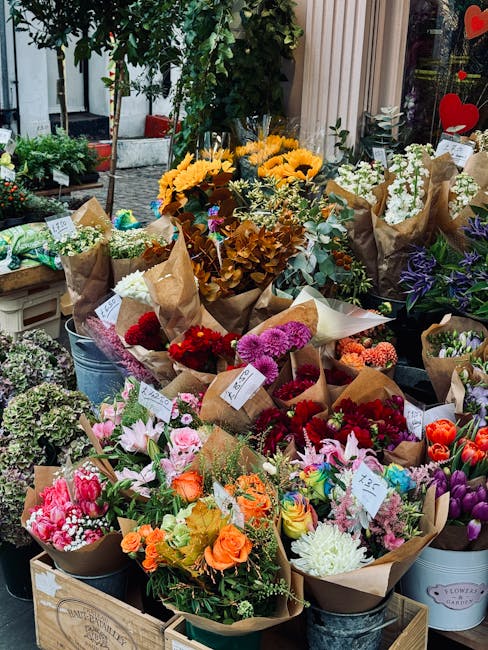
What to know about access problems for Chelsea florists
Posted on 10/10/2026
Chelsea looks elegant on the surface, but anyone moving flowers through SW3 knows it can be a bit of a puzzle. Narrow streets, busy loading bays, resident permits, event traffic, and last-minute access changes can all affect how a florist works from shop to doorstep. If you are trying to understand What to know about access problems for Chelsea florists, you are in the right place.
This guide breaks down the practical realities: why access matters, how it affects delivery and shop operations, what common problems to expect, and the best ways to plan around them without turning a normal day into a small logistical drama. Truth be told, most access issues are manageable once you know where the pinch points are. And in Chelsea, a little planning goes a long way.
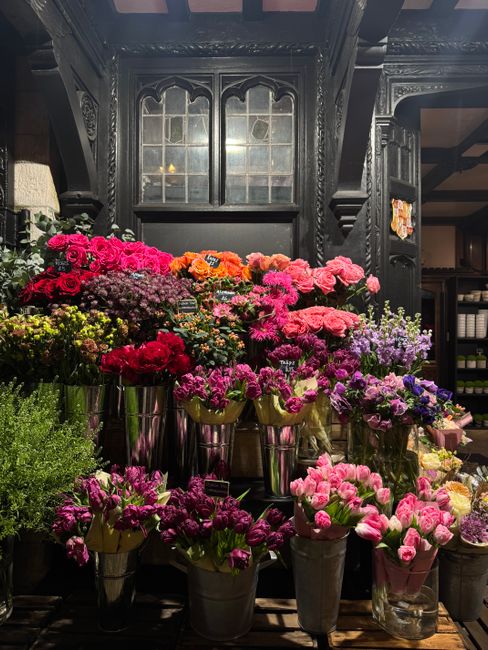
Table of Contents
- Why access problems matter in Chelsea
- How Chelsea access problems affect florist work
- Key benefits of planning access properly
- Who needs this guidance and when it makes sense
- Step-by-step guidance for dealing with access issues
- Expert tips for better results
- Common mistakes to avoid
- Tools, resources and recommendations
- Law, compliance, standards, and best practice
- Options, methods, and comparison table
- Case study or real-world example
- Practical checklist
- Conclusion
- Frequently asked questions
Why What to know about access problems for Chelsea florists Matters
Access problems are not just a minor inconvenience for florists in Chelsea. They shape almost everything: when flowers arrive, how safely they are carried, whether a wedding install starts on time, and whether a sympathy arrangement reaches the right address without stress. If the van cannot stop nearby, even a simple bouquet delivery becomes more complex.
That matters because flowers are time-sensitive. A bouquet picked up in the morning may need to reach a townhouse, hotel, clinic, office, or event venue later the same day, often while looking pristine. One wrong assumption about parking or building access can mean wilted blooms, rushed handling, or a missed delivery window. Nobody wants that, especially not in a neighbourhood where presentation matters so much.
In Chelsea, access issues often show up in small but frustrating ways:
- streets that are busy at the exact time your van needs to stop
- properties with no easy front-door access
- shared entrances, concierge rules, or security gates
- loading restrictions and timed parking bays
- events, roadworks, and school-run traffic that seem to appear out of nowhere
For a florist, these aren't abstract logistics. They are part of the job. And when handled well, they can actually become a competitive advantage because the customer experiences a smoother, calmer service.
Expert summary: In Chelsea, access planning is not an optional extra. It is part of the delivery service, part of quality control, and part of keeping floral arrangements looking their best on arrival.
How What to know about access problems for Chelsea florists Works
To understand access problems properly, it helps to think of the journey from shop to recipient as a chain. If one link is weak, the whole thing slows down. A florist in Chelsea may prepare a bouquet beautifully, but then need to deal with building access, vehicle stopping points, a concierge desk, lift access, or even a customer asking for a porch drop because they are out.
In practice, access problems usually fall into a few categories:
1. Vehicle access
This is the big one. Can the delivery vehicle stop legally and safely close enough to the address? Can it unload without blocking traffic? Is there enough space for a van, or does the driver need to work from a side street and carry the flowers the last stretch by hand?
2. Pedestrian access
Sometimes the van can park nearby, but the actual delivery path is awkward. Think basement flats, concierge-controlled entrances, intercom systems, or buildings where a courier must wait to be let in. That delay is not trivial when you are carrying delicate stems in warm weather.
3. Timing access
A customer may request delivery for a narrow time slot, but the building or venue may only allow access during specific hours. That mismatch is where problems start. A florist who does not check timing carefully can end up waiting on the kerb with a box of roses and a slightly awkward phone call. Not ideal.
4. Event access
Wedding venues, churches, restaurants, private houses, and corporate spaces all have their own rules. Deliveries may need to use a service entrance, arrive before guests, or be checked in by security. Some venues are wonderfully organised; others, let's say, operate on a "we'll sort it when you get here" basis. That is fun until it isn't.
Because Chelsea includes residential streets, retail areas, hotels, and high-end event spaces, florists have to think flexibly. The same order type can have very different access needs depending on the destination.
Key Benefits and Practical Advantages
Handling access issues well is not just about avoiding trouble. It improves service quality in ways customers notice immediately, even if they do not consciously think about it.
- Better on-time delivery: fewer delays, fewer missed time windows, and less re-routing.
- Better flower condition: less time sitting in a vehicle, less handling, less heat stress.
- Lower operating stress: drivers and florists spend less time improvising under pressure.
- Cleaner customer experience: calm updates, clearer expectations, fewer complaints.
- More efficient route planning: deliveries can be grouped more sensibly around access conditions.
- Stronger reputation: in a place like Chelsea, reliability travels fast by word of mouth.
There is also a commercial upside. A florist that understands access patterns can make better promises. That means fewer awkward apologies, fewer redeliveries, and fewer expensive last-minute fixes. If you have ever had to turn a no-parking situation into a hand-carry sprint in the rain, you know exactly why this matters.
For customers buying flowers for birthdays, anniversaries, sympathy occasions, or weddings, access competence can be the difference between a pleasant surprise and a stressful follow-up call. Simple as that.
Who This Is For and When It Makes Sense
This topic matters to a few different people, not just florists. In fact, Chelsea access problems affect the whole delivery chain.
Florists and shop teams
If you are preparing arrangements, dispatching drivers, or taking orders, you need to know what information to collect before a delivery leaves the shop. A missing gate code or wrong entrance can waste time fast.
Delivery drivers and runners
Drivers are usually the ones facing the reality on the ground: tight roads, impatient traffic, and the occasional "you can't park there" moment. Clear access notes help them do a better job with less fuss.
Customers sending flowers into Chelsea
If you are ordering flowers for someone in SW3, it helps to understand that the prettiest arrangement in the world still needs a workable route to the door. The more detail you can provide, the smoother the delivery.
Wedding and event planners
Event flowers often involve multiple drop-offs, set-up windows, and venue contacts. Access planning here is non-negotiable. You do not want centrepieces arriving after guests, or buttonholes waiting in a hot van.
Corporate buyers
Office deliveries, reception flowers, and client gifts often involve security desks and building management. If you are ordering regularly, access notes should be part of your standard process. That keeps things tidy.
This guidance makes the most sense whenever a delivery site has limited stopping space, controlled entry, restricted hours, or more than one point of contact. In Chelsea, that is often more common than people expect.
Step-by-Step Guidance
Here is a practical way to manage access problems before they become delivery problems.
- Collect the full delivery context. Do not stop at the postcode. Ask for building name, flat number, entrance instructions, concierge details, and any relevant access codes.
- Check the likely stopping point. Is there nearby parking, a loading bay, or only a busy residential street? If the driver has to walk, make sure the flowers are packaged safely for that journey.
- Confirm timing restrictions. Some buildings allow access only at certain times. Some offices want deliveries before 10am. Some venues only accept drops through a service entrance.
- Plan for the final carry. If the route from van to door is long, use packaging that keeps arrangements stable and cool. One long walk in summer can matter more than people realise.
- Prepare customer updates. If access is uncertain, let the customer know there may be a brief delay. A simple heads-up is far better than silence.
- Use a fallback plan. What happens if the recipient is unavailable, the gate code is wrong, or the road is blocked? Decide that before the van leaves.
- Record recurring problem addresses. If an address has tricky access once, it will probably have tricky access again. Save the note for next time. Your future self will thank you.
One small but useful habit: build access questions into the order flow, not just into the dispatch stage. By the time the flowers are arranged, it may already be too late to fix a missing detail without creating stress.
And yes, sometimes a customer swears "it's very easy to park there," then the driver discovers a double-parked van, a delivery lorry, and a council restriction all at once. People mean well. Streets, on the other hand, have their own plans.
Expert Tips for Better Results
After handling many delivery scenarios, a few patterns become obvious. The best access management is boring, in the best way. Quiet, consistent, nothing dramatic.
Ask for the second line of access detail
Most people give you an address. Good. But the second line matters more: side entrance, concierge desk, bell code, loading bay, or "call on arrival." Those little notes can save ten minutes or more.
Match the arrangement to the journey
A tall, top-heavy vase design is not always the best choice for a long carry through a building. Sometimes a more compact arrangement is simply wiser. That does not make it less beautiful. It makes it practical.
Keep delivery packaging honest
Packaging should protect the flowers, not pretend the route is easy. If there is a decent chance of a long walk, choose packaging that stabilises stems and protects water sources.
Think about weather and time of day
Warm afternoons can be tougher than early morning deliveries. A bouquet that is fine at 8:30am may need more care by 3pm, especially in summer. Chelsea pavements can feel busy and bright by then.
Leave room for human reality
Sometimes the concierge is on lunch, the customer has popped out, or the gate is temporarily locked. Build in a small margin. It is just sensible.
Small expert habit: note every access issue in plain language. "Rear entrance only," "buzz flat 2 from side gate," or "no parking before 11am" is much more useful than a vague "access tricky."
That sort of clarity sounds basic, but it is often what separates a smooth florist operation from a chaotic one.
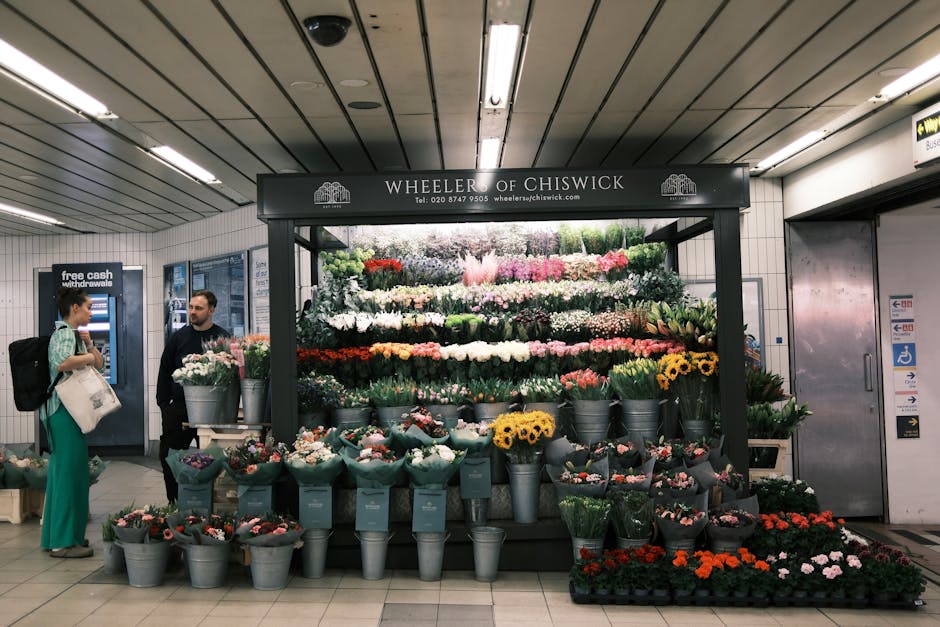
Common Mistakes to Avoid
Most access problems are not caused by one huge failure. They come from lots of small assumptions. Here are the ones that tend to cause the most trouble.
- Using postcode only: a postcode alone rarely tells the full story in Chelsea.
- Assuming parking will be available: it often won't, at least not exactly where you want it.
- Ignoring building rules: some blocks have strict delivery procedures and security checks.
- Not checking recipient availability: a beautiful delivery is still awkward if nobody can receive it.
- Leaving access notes too late: if dispatch does not know the restriction, the driver pays the price.
- Choosing fragile designs for difficult routes: not every arrangement suits every journey.
- Overpromising on timing: narrow windows are risky when access is uncertain.
A quieter mistake is not learning from repeats. If a venue caused delay once, keep that knowledge in your system. The same goes for certain residential streets, concierge-managed buildings, and busy Friday slots. Repetition is a clue.
One more thing: don't rely on memory alone. Chelsea is the sort of area where "I think the entrance is round the back" can become a problem very quickly. Write it down.
Tools, Resources and Recommendations
You do not need fancy systems to handle access issues well, but you do need a few dependable tools and habits.
- Order notes fields: make sure they are prominent and easy to complete.
- Dispatch checklists: useful for confirming contact number, entrance, timing, and delivery instructions.
- Route planning: simple route checks help with traffic, timing, and parking awareness.
- Photo references for regular venues: when appropriate, visual notes can help staff recognise the correct entrance.
- Customer communication templates: a polite, calm message for access delays saves time and stress.
- Packaging options: water packs, secure boxes, ribbon ties, and stable carriers can all make a difference.
For related customer-facing guidance, it can also help to make sure people understand broader service information such as delivery details, flower care advice, and the store's service guarantees. Those pages help set expectations before an order is placed, which is half the battle really.
If a customer has special circumstances, you may also want to point them toward helpful pages on accessibility information, contact options, and returns and refunds where appropriate. Clear information up front can prevent a lot of confusion later.
For regular business buyers, the corporate accounts page is also useful if you are planning repeat office or venue deliveries. Repeat orders benefit even more from good access records.
Law, Compliance, Standards, or Best Practice
Access issues can overlap with legal and practical duties, especially around parking, building entry, safe loading, and respectful use of public space. It is wise to treat this area carefully and avoid guessing.
In London, florists and delivery drivers should be mindful of parking restrictions, traffic rules, loading limits, and any site-specific requirements imposed by buildings or venues. Local conditions can change from street to street, and council-controlled parking zones are not something to wing on the day.
Best practice usually includes the following:
- respecting loading and waiting restrictions
- avoiding obstruction of pavements, driveways, and emergency access
- carrying out safe manual handling for heavier flower orders
- keeping customer information accurate and discreet
- making sure delivery instructions are clear and properly recorded
There are also wider business standards to think about. Clear policies, honest service descriptions, and sensible customer communication all help build trust. Pages such as terms and conditions, privacy policy, and modern slavery statement can support that trust by showing the business takes responsibilities seriously.
One practical note: if access is genuinely unsafe or impossible, the right answer may be to pause, reschedule, or ask for a safer alternative rather than force the issue. That is not poor service. That is sensible service.
Options, Methods, or Comparison Table
Different delivery situations call for different approaches. Here is a simple comparison of common methods florists use in Chelsea.
| Method | Best for | Strengths | Limitations |
|---|---|---|---|
| Direct door delivery | Easy-access homes and businesses | Fast, simple, minimal handling | Not suitable where parking or entry is restricted |
| Concierge or reception drop | Blocks, hotels, offices, managed buildings | Efficient when staff are available | Depends on building rules and reception hours |
| Timed courier drop | Weddings, events, narrow windows | Good for precision and coordination | More vulnerable to traffic and access delays |
| Pre-arranged collection point | Complex sites or temporary restrictions | Reduces door-to-door uncertainty | Less personal, not always suitable for gifts |
| Vehicle-to-venue hand carry | Hotels, event spaces, pedestrian-heavy areas | Flexible when stopping is limited | More labour-intensive, more risk if packaging is poor |
In Chelsea, the best option often depends less on the flowers and more on the destination. A single address can be simple one day and awkward the next if there is roadwork, a private event, or a change in concierge cover. So the method has to fit the moment.
Case Study or Real-World Example
Here's a realistic scenario based on the kind of thing florists run into all the time.
A customer orders a mixed bouquet for a late-afternoon delivery to a Chelsea apartment building. On paper, it sounds easy enough. But the building entrance is on a narrow side street, the concierge closes at 4pm, and there is limited stopping space outside. The order note says only the flat number. That's it.
The florist spots the problem early and calls the customer to confirm the best entrance, the recipient's mobile number, and whether a neighbour can receive the flowers if the recipient is out. The delivery is then timed for just before concierge closes, and the bouquet is packed in a stable box rather than a tall open wrap. The driver still has to carry it a short distance, but it arrives in good condition and without panic.
Now compare that with the alternative: the van arrives, the concierge is gone, there's nowhere legal to stop, and the customer's phone goes to voicemail. That second version is the one everyone remembers for the wrong reasons.
The lesson is simple. Access planning is not about overcomplicating a flower order. It is about preventing avoidable friction. Small steps, big difference.
Practical Checklist
Use this checklist before sending flowers into Chelsea, especially for time-sensitive or high-value orders.
- Have I collected the full address and postcode?
- Do I know the correct entrance or delivery point?
- Is there a gate code, concierge desk, security desk, or intercom?
- Has the recipient's phone number been confirmed?
- Are there parking, loading, or timing restrictions?
- Is the arrangement packaged for a possible walk from the vehicle?
- Does the venue have a named contact for the delivery?
- Have I planned what happens if the recipient is unavailable?
- Is the delivery window realistic for the area and time of day?
- Have I noted any repeat-access information for next time?
Quick rule of thumb: if the delivery would be hard for a person to describe in one sentence, it probably needs a few more notes in the order file.
Conclusion
What to know about access problems for Chelsea florists comes down to one thing: good flowers need a good route. In a busy, prestige-heavy area like Chelsea, access is part of the service, not an afterthought. The florist who plans for parking, entrances, timing, and building rules is the florist who quietly delivers better results.
The upside is reassuring. Once access habits are in place, most problems become manageable, predictable, and frankly a lot less dramatic than they first seem. You do not need perfection. You need a process that is calm, clear, and just organised enough to handle the odd surprise.
If you are sending flowers into Chelsea, keep the order details sharp, stay realistic about access, and build in a little flexibility. That combination does wonders.
Get a free quote today and see how much you can save.
And if the road feels messy on a busy London afternoon, remember: a good florist can still make the journey look effortless.
Frequently Asked Questions
What are the most common access problems for Chelsea florists?
The most common issues are limited parking, controlled building entry, narrow roads, timed loading restrictions, and recipients being hard to reach at the moment of delivery. Chelsea's mix of homes, offices, and venues means those problems can show up in different ways every day.
Why does access matter so much for flower delivery?
Flowers are delicate and time-sensitive. If a delivery spends too long in a vehicle, gets carried a long distance, or misses a receiving window, the arrangement may arrive in poorer condition. Good access planning protects both presentation and punctuality.
Should I give more than just a postcode when ordering flowers in Chelsea?
Yes, definitely. A postcode is helpful, but it is not enough on its own. The florist usually needs the building name, flat or office number, entrance details, and any access codes or time restrictions.
How do florists handle deliveries when there is no parking nearby?
They may park legally a little further away and carry the flowers the last distance, use a reception or concierge drop, or arrange a more suitable delivery time. The safest option depends on the order and the location.
Can access problems delay same-day flower delivery?
Yes, they can. Same-day service relies on efficient routing and quick handover. If the entrance is hard to find or the recipient is unavailable, the delivery may take longer than planned.
What should I do if I live in a managed apartment building?
Provide as much access detail as possible: reception hours, intercom instructions, concierge information, and any lift or entrance rules. Managed buildings can be straightforward once the correct process is known, but not before.
Are wedding flower deliveries more affected by access issues?
Often, yes. Weddings usually involve tighter timing, more items, and venue-specific rules. That means floral deliveries need extra planning, especially if the venue has a service entrance or a narrow setup window.
How can I reduce the chance of a failed delivery?
Give complete instructions, confirm contact details, choose a realistic delivery window, and make sure the florist knows about any access restrictions. A backup plan also helps, especially for offices and apartment blocks.
Do Chelsea florists need special equipment for difficult access?
Not always special equipment, but useful delivery packaging, sturdy carriers, and sensible arrangement design make a big difference. For awkward routes, compact and secure packaging is often more practical than a loose presentation style.
What is the best time of day for tricky flower deliveries in Chelsea?
Often earlier in the day, when traffic and kerbside competition may be easier to manage. That said, the best time depends on the building's access rules and the recipient's availability, so there is no one-size-fits-all answer.
How do florists keep repeat access notes organised?
Many keep short internal notes against recurring addresses, such as entrance instructions, gate codes, and preferred delivery windows. Clear, simple notes are more useful than long paragraphs nobody will read in a hurry.
Is it better to choose a compact bouquet for difficult access?
Often yes. Compact arrangements are usually easier to carry through narrow entrances, along pavements, or into secured buildings. They can still look elegant, and sometimes they travel better than larger, looser designs.